

Teaching children about money in Chinese families involves far more than identifying coins, reading prices, or practising arithmetic. Financial education also touches on saving, educational spending, work, generosity, family duty, social customs, and support for older relatives. A useful approach respects these cultural ideas while giving children room to form independent financial judgments. Chinese families…
Month: September 2026
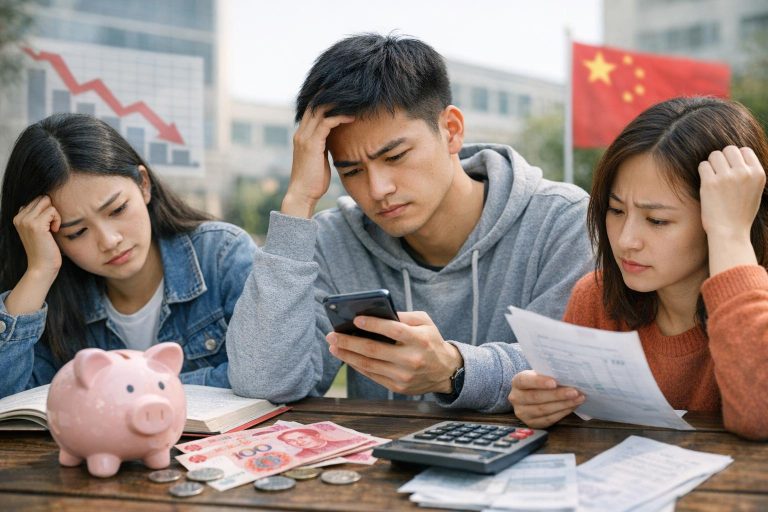
Financial literacy challenges among university students in China
Financial literacy has become a practical requirement for university students in China. Students often manage tuition payments, accommodation, food, transport, digital payments, part-time income, education loans, insurance, online shopping, and social expenses. For many, university is the first period in which they make regular financial decisions without direct parental supervision. China’s payment and retail systems…
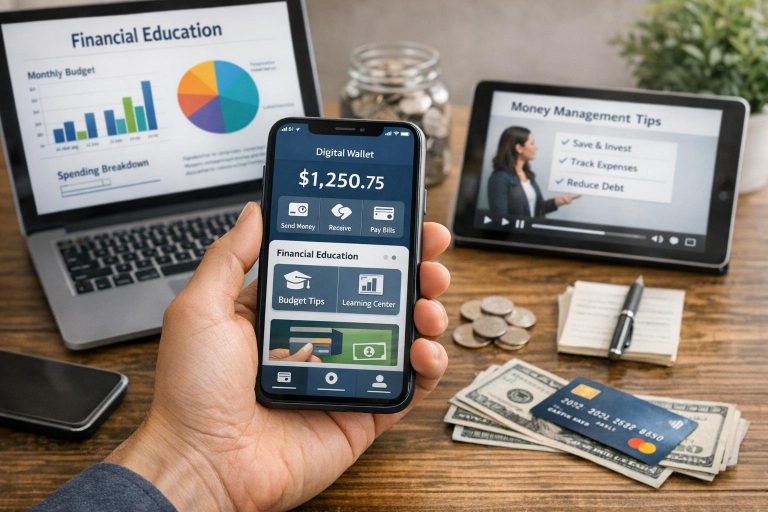
The role of digital payment platforms in financial education
Digital payment platforms now sit at the centre of routine financial activity. Mobile wallets, banking apps, contactless cards, online checkout services, peer-to-peer transfers, remittance apps and instalment payment providers let people receive, hold and spend money without using cash. Although speed and convenience remain their main commercial purpose, these platforms can also teach users how…
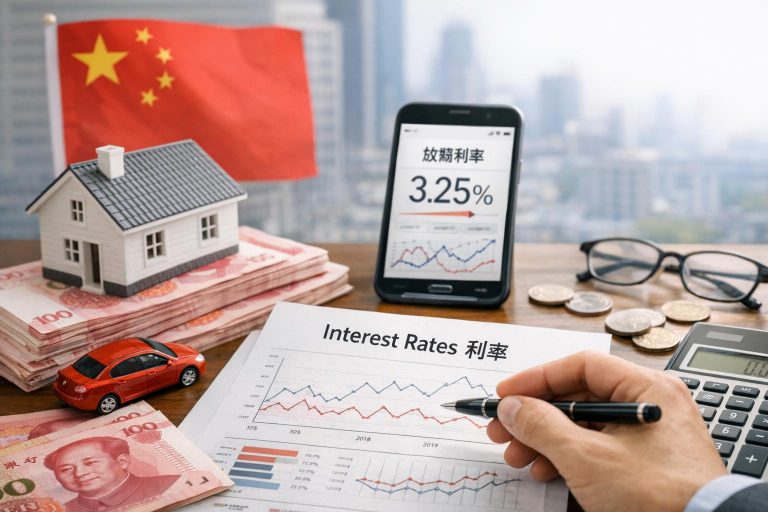
How interest rates affect everyday financial decisions in China
Interest rates affect routine financial decisions in China, even among households that rarely follow monetary-policy announcements. The rate charged on a mortgage, the return paid on a bank deposit, the cost of vehicle finance and the income from some wealth-management products may change after the People’s Bank of China (PBOC) adjusts its policy stance or…

How budgeting habits are changing among Chinese households
Budgeting habits among Chinese households are changing as families respond to slower income growth, high housing and education costs, population aging, and the widespread use of digital payments. Household finance once focused heavily on cash control, bank deposits, property purchases, and support between relatives. Those practices remain common, but many families now monitor cash flow…

Personal finance basics for young adults in China
Personal finance means managing income, daily spending, savings, debt, insurance, taxes and investments as one connected plan. For young adults in China, familiar principles apply: spend less than you earn, keep cash for emergencies, borrow with care and invest according to time horizon. The practical details, however, depend on Chinese payment platforms, individual income tax,…